Thinking About an Indoor Hot Tub? Here’s What You Need to Know
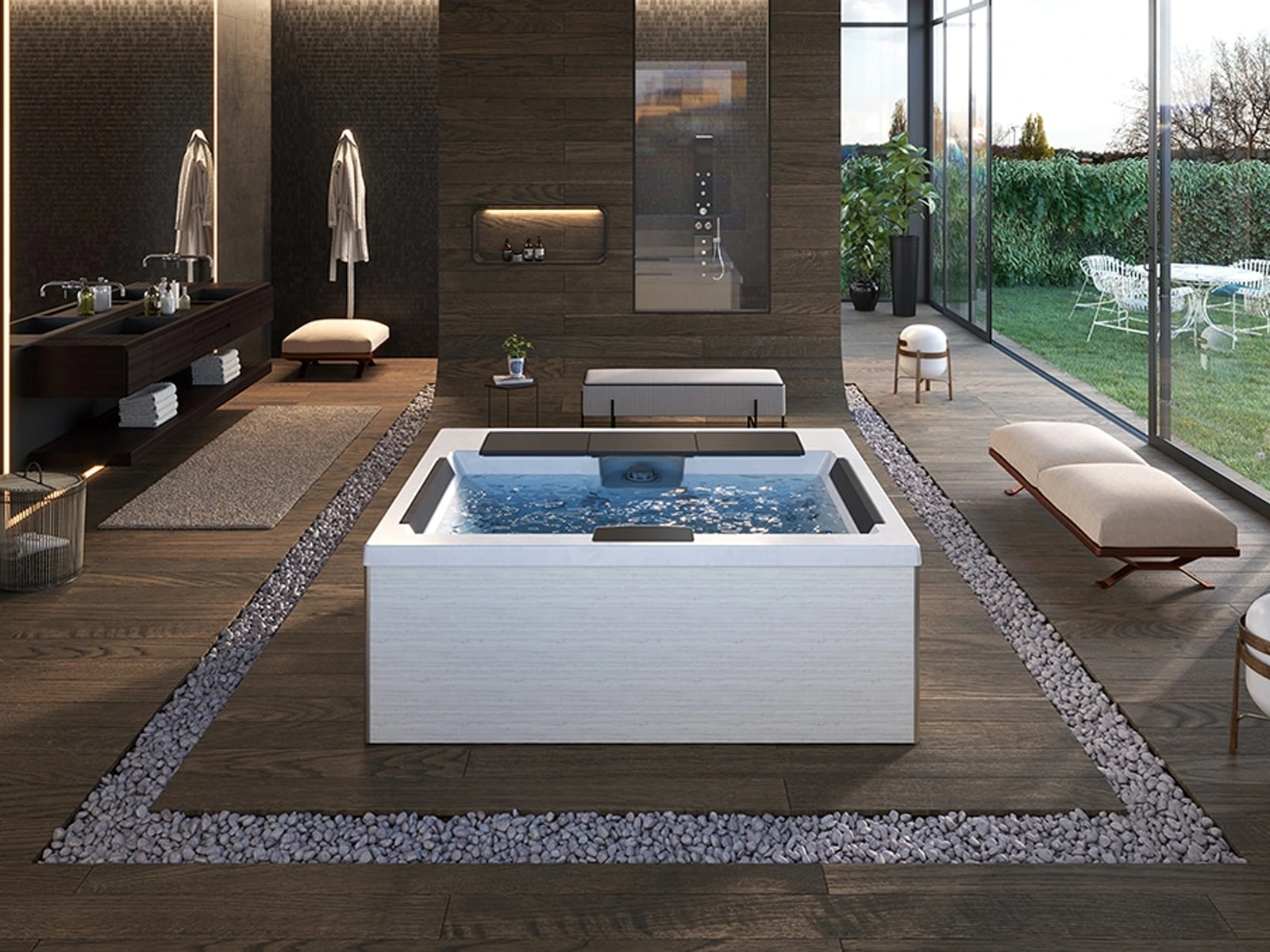
Installing an indoor hot tub can transform your home into a private wellness retreat. However, unlike outdoor installations, indoor spas require careful planning to ensure safety, durability, and long-term comfort.
At Palm Beach Hot Tubs, we guide homeowners across South Florida through every stage of the indoor hot tub installation process, helping them create a space that is both functional and relaxing.
Ventilation and Humidity Control
One of the most important factors to consider is moisture management. Hot tubs release steam and humidity into the air, which can cause mold, mildew, and structural damage if not properly controlled. A high-quality ventilation system, exhaust fan, or dedicated dehumidifier is essential to protect walls, ceilings, and flooring.
Flooring and Drainage
An indoor spa must sit on a surface that can support the full weight of the tub when filled with water and bathers. Concrete foundations are ideal, while upper-level installations require structural evaluation. Flooring should be water-resistant and slip-resistant. Proper drainage is also crucial, as splashes and routine maintenance can lead to water accumulation.
Access for Delivery and Maintenance
Before purchasing an indoor hot tub, measure doorways, hallways, staircases, and ceiling heights to ensure smooth delivery. It is equally important to leave adequate space around the spa for servicing and future maintenance.
Electrical and Installation Requirements
Indoor hot tubs typically require a dedicated GFCI electrical connection installed by a licensed professional. Depending on the model, additional plumbing considerations may apply. Compliance with local building codes ensures both safety and efficiency.
If you are considering installing an indoor hot tub in South Florida, consult with experienced professionals to ensure your project is completed correctly from start to finish.